
![Rohtas Fort (Punjabi, Urdu: قلعہ روہتاس Qila Rohtas) is a historical garrison fort located near the city of Jhelum in Punjab, Pakistan. It was built under Afghan king Sher Shah Suri, to subdue the rebellious tribes of the northern Punjab region, in the 16th century. This fort is about 4 km in circumference. The Rohtas fort was built to crush the local tribes of Potohar, who rebelled against the Sur dynasty after the Mughal emperor Humayun was ousted by the former.
It took eight years to build the fort, it was captured by Mughal emperor Humayun in 1555.[1] Nadir Shah, the Turkic ruler of Persia, Afghan ruler Ahmed Shah Abdali and the Maratha army also camped here during their respective campaigns in the Punjab region. Rohtas was also occasionally used for administrative purposes by the Sikh ruler Ranjit Singh after he captured it in 1825.[2](https://images.trvl-media.com/place/6117220/dcc212a0-15fb-4192-b98c-9ac15594a2aa.jpg?impolicy=fcrop&w=1200&h=500&q=medium)
بعدسة Mukhtar Haider Malik
ابحث عن فنادق بالقرب من قلعة روتاس، في روهاتس من AED 229
 تغيُّر خططكاحجز في فنادق توفر إلغاء مجانيًا
 كن دقيقًاابحث فيما يقرب من مليون منشأة فندقية حول العالم
التحقق من الأسعار لهذه التواريخ
الليلة
عطلة نهاية الأسبوع القادم
خلال أسبوعين
أفضل خياراتنا لفنادق قلعة روتاس
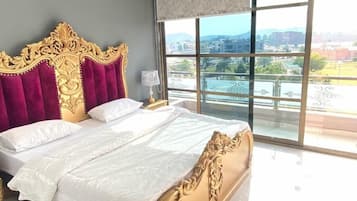
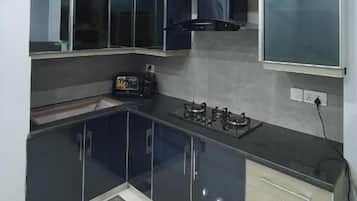

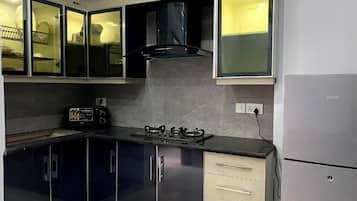
السعر الحالي هو AED 314
الإجمالي: AED 364
يشمل الضرائب والرسوم
من 2026/01/04 إلى 2026/01/05


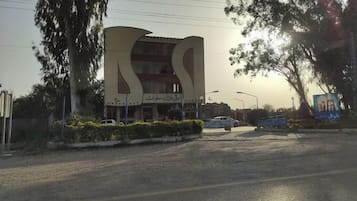

السعر الحالي هو AED 218
الإجمالي: AED 254
يشمل الضرائب والرسوم
من 2026/01/04 إلى 2026/01/05
السعر الحالي هو AED 197
الإجمالي: AED 229
يشمل الضرائب والرسوم
من 2026/01/05 إلى 2026/01/06
أقل سعر عُثر عليه في الليلة الواحدة خلال آخر 24 ساعة بناءً على سعر إقامة ليلة واحدة لشخصين بالغين. الأسعار ومدى التوفر عرضة للتغيير. قد تسري شروط إضافية.
الفنادق القريبة من أماكن الجذب الأخرى في قلعة روتاس
الأسئلة المتكررة
استكشاف مجموعة كبيرة من وجهات السفر مع Expedia
- Mirpur,s Absolutely Astonishing Spanish Villa New Mirpur Azad Kashmir Pakistan
- Mirpur Apartments & Hotel
- Hotel Jabeer
- Grand Regency Hotel Mirpur
- Babar Khan Hotel
- Impeccable 4-Bed Villa in Mirpur azad khasmir
- Impeccable 4-bed Villa in Mirpur Azad Khasmir
- Lotus Inn Guest House
- Mangla Tower Hotel
- Executive Lodges Guest House
- Usman Guest House
- Mirpur 3-Bed House Sleeps 6