بعدسة Sharrie Shaw
البحث عن فنادق بتصنيف 5 Star في سوراكارتا من AED 103
- تغيُّر خططكاحجز في فنادق توفر إلغاء مجانيًا
- كن دقيقًاابحث فيما يقرب من مليون منشأة فندقية حول العالم
الليلة
عطلة نهاية الأسبوع القادم
خلال أسبوعين
أفضل خياراتنا لفنادق سوراكارتا بتصنيف 5 نجوم
السعر الحالي هو AED 218
الإجمالي: AED 264
يشمل الضرائب والرسوم
من 2026/01/04 إلى 2026/01/05

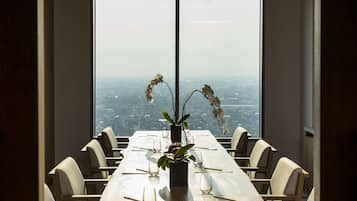
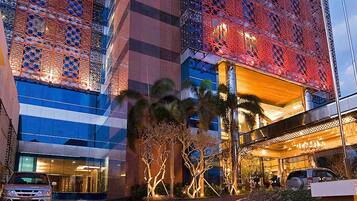
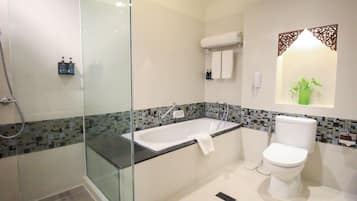
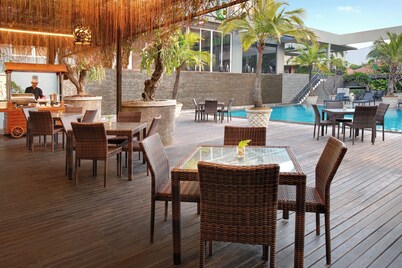
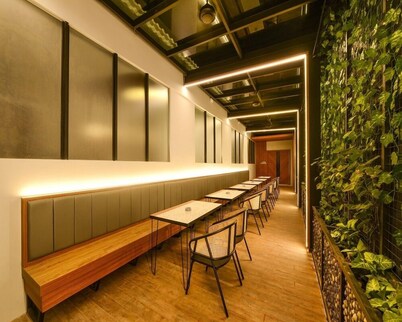
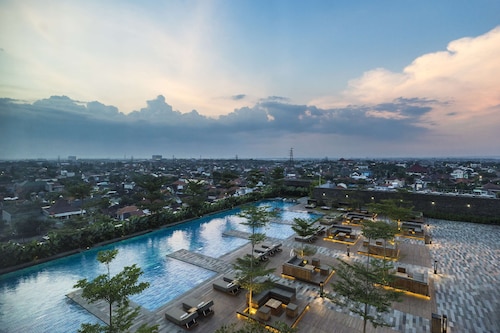
ذا رويال سوراكارتا هيريتيدج - هاندوريتين كوليكشن
ذا رويال سوراكارتا هيريتيدج - هاندوريتين كوليكشنمركز مدينة سولو
8.2 من 10، جيد جدًا، (166)
السعر الحالي هو AED 119
الإجمالي: AED 145
يشمل الضرائب والرسوم
من 2026/01/07 إلى 2026/01/08
وفِّر ما متوسطه 15% من سعر آلاف الفنادق عند تسجيل الدخول
استكشف فنادق مشابهة بتصنيف 4-نجوم
العديد من الفنادق ذات تصنيف 4-نجوم بها الخدمات ذاتها الموجودة في الفنادق ذات تصنيف 5-نجوم. عرض جميع الفنادق ذات تصنيف 4-نجوم في سوراكارتا.

Novotel Solo
Jalan Slamet Riyadi 272 Surakarta Central Java
السعر هو AED 131 في الليلة الواحدة من 17 يناير إلى 18 يناير
AED 131
الإجمالي: AED 159
من 2026/01/17 إلى 2026/01/18
يشمل الضرائب والرسوم
8/10 Very Good! (113 تقييمًا)
ألم تجد ما تبحث عنه بعد؟
عرض جميع المنشآت في سوراكارتا.
يمكنك أيضًا استخدام عناصر التصفية لتضييق نطاق بحثك.
أقل سعر عُثر عليه في الليلة الواحدة خلال آخر 24 ساعة بناءً على سعر إقامة ليلة واحدة لشخصين بالغين. الأسعار ومدى التوفر عرضة للتغيير. قد تسري شروط إضافية.
الأسئلة المتكررة
استكشاف مجموعة كبيرة من وجهات السفر مع Expedia
- فنادق بالقرب من سولو باراجون لايف ستايل مول
- فنادق بالقرب من جامعة محمدية يونيفيرسيتي أوف سوراكارتا
- فنادق بالقرب من Kraton Surakarta
- فنادق بالقرب من كليور ماركت
- فنادق بالقرب من قصر مانجكانجاران
- فنادق بالقرب من غيدي ماركت
- فنادق بالقرب من مركز سولو سكوير للتسوق
- فنادق بالقرب من قصر ذا هيرتيدج بالاس
- فنادق بالقرب من Danar Hadi
- فنادق بالقرب من متنزه باليكامبانج سيتي بارك
- فنادق بالقرب من Nakamura Klinik
- فنادق بالقرب من Radya Pustaka Museum
- فنادق بالقرب من Pasar Klewer
- فنادق بالقرب من Sriwedari Amusement Park
- فنادق بالقرب من مكتبة متحف راديا
- فنادق بالقرب من Mesjid Agung
- فنادق بالقرب من حديقة جوننغ ميرابي الوطنية
- فنادق بالقرب من مركز دو تولومادو للمؤتمرات
- فنادق بالقرب من معبد سوكوه
- فنادق بالقرب من موقع سانجيران إيرلي مان
- Hotel Indah Palace Solo
- Collection O Solo near Universitas Muhammadiyah Surakarta formerly Kedaton Home
- FIM by Zigna
- favehotel Manahan - Solo
- Nata Azana Hotel Solo
- GRAND ORCHID HOTEL SOLO
- Hotel O Gurita
- Lorin Syariah Hotel Solo
- Hotel O Solo Point Guest House Syariah
- Swiss-Belinn Saripetojo Solo
- Aston Solo
- Amaris Sriwedari Solo Surakarta
- Loji Hotel Solo by Wstay
- HARRIS Hotel & Conventions Solo
- Comfort Centre Residence Solo
- Dparagon Manduro
- Hotel Asia
- Mangkuyudan Hotel Solo
- Hotel Bintang Solo
- Pose in Solo by Wstay
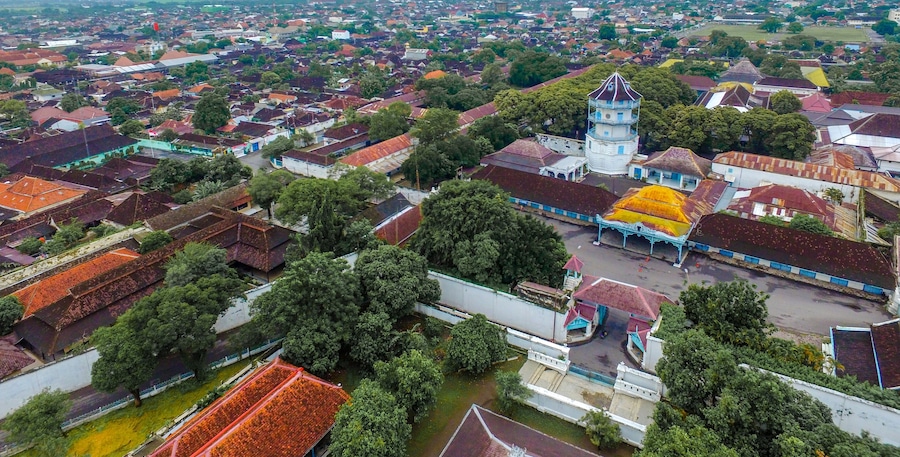
![At the museum no photos are allowed which is really unfortunate as it was well worth the visit and the guided tour is definitely not to be missed. In the museum there are even Batik made from the Dutch era which depicts stories like Little Red Riding Hood and Snow White!
I enjoyed the tour v much and at the end of the tour we were brought to this room where the artisan were working on hand drawn batik.
Below is an excerpt from Wikipedia for anyone interested in learning more about the process of batik making.
Firstly, a cloth is washed, soaked and beaten with a large mallet. Patterns are drawn with pencil and later redrawn using hot wax, usually made from a mixture of paraffin or bees wax, sometimes mixed with plant resins, which functions as a dye-resist. The wax can be applied with a variety of tools. A pen-like instrument called a canting (IPA: [tʃantiŋ], sometimes spelled with old Dutch orthography tjanting) is the most common. A canting is made from a small copper reservoir with a spout on a wooden handle. The reservoir holds the resist which flows through the spout, creating dots and lines as it moves. For larger patterns, a stiff brush may be used. Alternatively, a copper block stamp called a cap (IPA: [tʃap]; old spelling tjap) is used to cover large areas more efficiently.
After the cloth is dry, the resist is removed by scraping or boiling the cloth. The areas treated with resist keep their original color; when the resist is removed the contrast between the dyed and undyed areas forms the pattern. This process is repeated as many times as the number of colors desired.
The most traditional type of batik, called batik tulis (written batik), is drawn using only the canting. The cloth need to be drawn on both sides and dipped in a dye bath three to four times. The whole process may take up to a year; it yields considerably finer patterns than stamped batik.
Source: Wikipedia](https://images.trvl-media.com/place/6224808/26fd1460-c65a-4c1a-9444-7a893e883ac9.jpg?impolicy=fcrop&w=1200&h=500&q=medium)


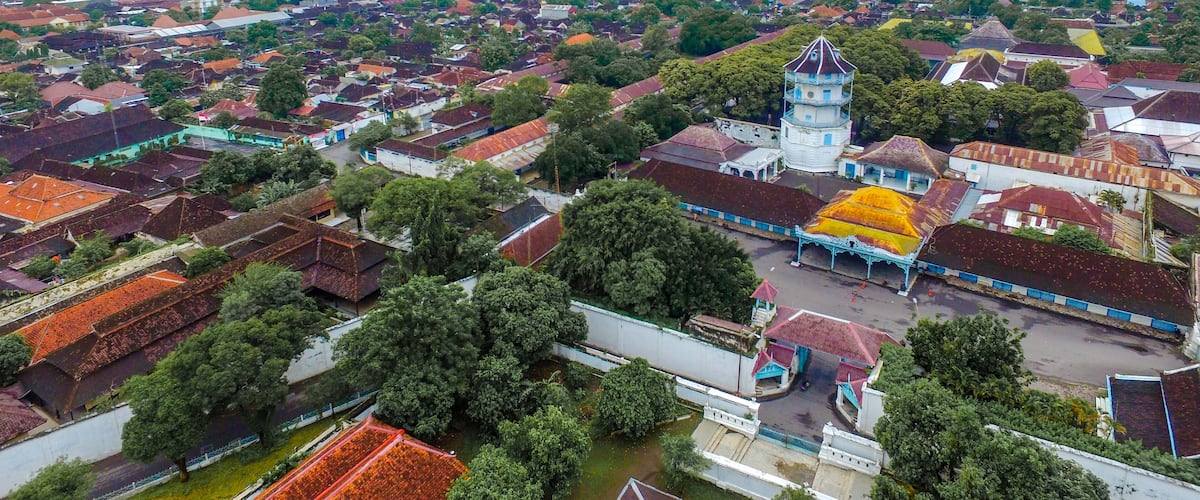
![At the museum no photos are allowed which is really unfortunate as it was well worth the visit and the guided tour is definitely not to be missed. In the museum there are even Batik made from the Dutch era which depicts stories like Little Red Riding Hood and Snow White!
I enjoyed the tour v much and at the end of the tour we were brought to this room where the artisan were working on hand drawn batik.
Below is an excerpt from Wikipedia for anyone interested in learning more about the process of batik making.
Firstly, a cloth is washed, soaked and beaten with a large mallet. Patterns are drawn with pencil and later redrawn using hot wax, usually made from a mixture of paraffin or bees wax, sometimes mixed with plant resins, which functions as a dye-resist. The wax can be applied with a variety of tools. A pen-like instrument called a canting (IPA: [tʃantiŋ], sometimes spelled with old Dutch orthography tjanting) is the most common. A canting is made from a small copper reservoir with a spout on a wooden handle. The reservoir holds the resist which flows through the spout, creating dots and lines as it moves. For larger patterns, a stiff brush may be used. Alternatively, a copper block stamp called a cap (IPA: [tʃap]; old spelling tjap) is used to cover large areas more efficiently.
After the cloth is dry, the resist is removed by scraping or boiling the cloth. The areas treated with resist keep their original color; when the resist is removed the contrast between the dyed and undyed areas forms the pattern. This process is repeated as many times as the number of colors desired.
The most traditional type of batik, called batik tulis (written batik), is drawn using only the canting. The cloth need to be drawn on both sides and dipped in a dye bath three to four times. The whole process may take up to a year; it yields considerably finer patterns than stamped batik.
Source: Wikipedia](https://images.trvl-media.com/place/6224808/26fd1460-c65a-4c1a-9444-7a893e883ac9.jpg?impolicy=fcrop&w=300&h=400&p=1&q=high)